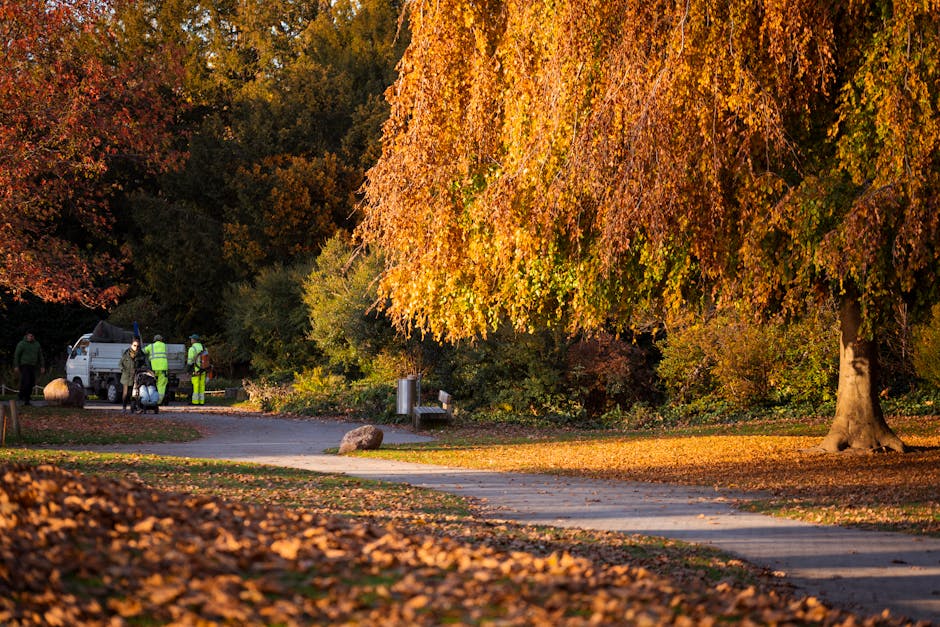
What to know about last minute gardeners in Tufnell Park
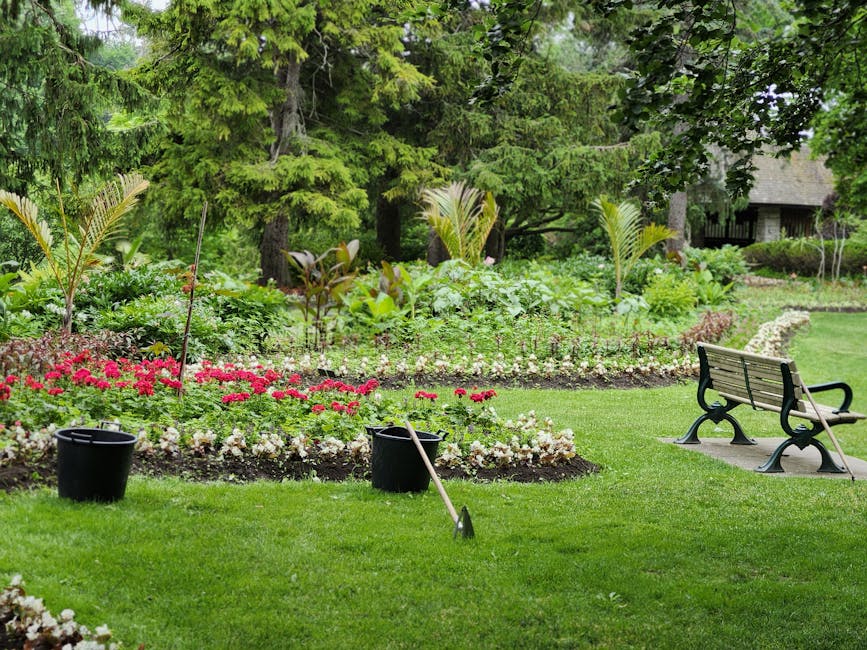
If your garden has suddenly become a problem, you are not alone. Maybe the hedge has crept over the path, the lawn looks rough before a visit, or you have just realised the bins, weeds, and fallen leaves have all stacked up at once. Whatever the reason, what to know about last minute gardeners in Tufnell Park comes down to one thing: making a quick decision without making a bad one.
Last-minute gardening help can be a lifesaver, but it works best when you know what to expect, what to ask, and what jobs are realistic in a short window. In this guide, we will cover how fast-response gardening usually works, the benefits, the risks, and the practical checks that help you get a tidy result without the stress. A bit of planning, even when you are short on time, goes a long way.
Why What to know about last minute gardeners in Tufnell Park matters
In a place like Tufnell Park, gardens are often modest in size but full of detail: narrow side returns, shared boundaries, front gardens that are seen by everyone passing, and small outdoor spaces that can go from calm to chaotic quite quickly. That means a last-minute garden visit is rarely about "making it perfect". It is usually about getting the space back under control, and fast.
And that matters for more than appearances. An overgrown path can become awkward to use, a patchy lawn can look neglected before a property viewing, and a blocked access area can simply be inconvenient. For landlords, homeowners, and tenants, quick garden help can make a real difference when time is tight.
There is another reason it matters: last-minute work tends to reveal the real condition of the garden. If a garden has been left for weeks or months, a good gardener will quickly see whether it needs routine upkeep, a one-off clear-up, or something more substantial such as garden clearance or ongoing garden maintenance. That distinction saves a lot of guesswork, and a fair bit of money too.
Expert summary: last-minute gardening works best when the goal is clear, the scope is realistic, and the gardener can prioritise the most visible, safety-related, or time-sensitive tasks first.
How What to know about last minute gardeners in Tufnell Park works
Last-minute gardening is usually a fast-booking service. You contact a provider, explain the job, share a few photos if possible, and confirm a time window. The gardener then decides whether the work can be done the same day, next day, or within a short agreed slot. Simple in theory. In practice, the speed depends on season, workload, access, and what needs doing.
Most same-day or short-notice jobs fall into a few categories:
- lawn cutting and light tidy-ups
- hedge trimming or shaping
- leaf clearing and weeding
- small garden clearance jobs
- pruning of manageable shrubs
- post-storm clean-up
- front garden refreshes before guests, tenants, or viewings
More technical jobs can still be handled at short notice, but they usually need a closer look first. For example, larger tree work or anything that affects structures, fences, decking, or access routes may require more planning. If you are unsure where your job sits, it helps to look at the service menu first, such as lawn mowing, hedge trimming, tree lopping and removal, or even landscaping if the work is more involved.
To be fair, the best last-minute jobs are the ones where everyone understands the brief. "Tidy the front and make it presentable" is much easier to deliver quickly than "do everything and somehow make it look brand new". The second one sounds hopeful. The first one gets results.
Key benefits and practical advantages
The main benefit is obvious: speed. But the real value is broader than that. A good last-minute gardener brings structure to a rushed situation, which is often exactly what people need.
1. Fast visual improvement
When a garden is cluttered, untidy, or a bit wild, a single visit can transform the way the whole property feels. Mown edges, cleared paths, and cut back growth make the space look cared for again, even if deeper work is saved for later.
2. Reduced stress
Let's face it, garden panic is a real thing. If you have an event, inspection, sale, move, or family visit coming up, there is enough going on already. Handing the work to someone who knows what to prioritise can take a surprising amount of pressure off your shoulders.
3. Better use of limited time
People often underestimate how long even "small" outdoor jobs take when you do not have the right tools, bags, transport, or spare weekend. A gardener arrives ready to work, which means your limited time is spent making decisions, not wrestling a heavy hedge trimmer in damp weather.
4. Safer access and tidier boundaries
Overgrown paths, low branches, and loose waste can create awkward access points. Fast garden work can improve movement through the space, especially if children, older relatives, tradespeople, or visitors need to use it.
5. Easier follow-up maintenance
One good clean-up often makes ongoing upkeep easier. Once the garden is back in shape, routine mowing or trimming becomes less of a job. That is where a service like services overview can help you understand what to book next, not just what to book today.
Who this is for and when it makes sense
Last-minute gardening support is not only for emergencies. It is for anyone who has run out of time but still wants a presentable, usable outdoor space. Different people need it for different reasons.
- Homeowners who want the garden looking respectable before guests arrive
- Landlords and letting agents preparing for move-ins, inspections, or end-of-tenancy checks
- Tenants who need to leave a tidy outdoor area behind
- Busy families who have simply fallen behind on upkeep
- Older residents who want help with heavier or awkward work
- People recovering from illness or injury who need a practical one-off hand
- Property sellers who want the garden to help, not hurt, first impressions
It also makes sense after weather changes. A windy spell can scatter leaves, break back weak growth, or leave the garden looking battered. In early morning light, that mess can feel twice as big as it really is. The good news? A tidy-up is often enough to put things right.
There are also times when a last-minute booking is the sensible move because leaving it much longer will make the job harder. A hedge can become less manageable. Wet grass can become patchy. Weeds root deeper. It snowballs a bit, honestly.
Step-by-step guidance
If you want the smoothest possible experience, use a clear process. The steps below are simple, but they do prevent a lot of back-and-forth.
- Identify the main outcome. Ask yourself: do I need the garden tidy, cleared, mown, trimmed, or made safe?
- Prioritise the most visible areas. Front gardens, pathways, entrance areas, and seating spaces usually matter first.
- Take a few photos. Wide shots and close-ups help the gardener understand scope before arriving.
- Be realistic about timing. A quick turnaround is easier for straightforward tidy-ups than major reworking.
- Check access. Gates, side passages, bins, tool storage, and parking can all affect how quickly work starts.
- Ask what is included. Clarify whether waste removal, sweeping, bagging, or plant disposal is part of the service.
- Confirm the finish standard. "Tidy and presentable" is different from "fully restored" or "neatly maintained."
- Follow up if needed. If the garden needs ongoing care, arrange a maintenance plan after the urgent job is done.
A practical example: if your front hedge is getting in the way, the lawn is long, and there are weeds on the path, the best result may come from combining a quick cut, a hedge trim, and a light clearance. Not every job needs a dramatic makeover. Sometimes just removing the clutter changes everything.
Expert tips for better results
Here is where small decisions make a big difference. These are the habits that tend to separate a decent last-minute job from a frustrating one.
Be specific about what matters most
If you have only one hour or one visit, say so. A gardener can work much more effectively when they know the priority is "front path, lawn, and hedge" rather than "the whole garden, somehow".
Send photos before the visit
This saves time and avoids surprises. A photo can show slope, waste volume, access issues, and whether the job is light tidy-up work or closer to a clearance.
Check whether the gardener handles waste
Some jobs create more green waste than people expect. Cuttings, branches, and bagged debris need somewhere to go. If waste removal is required, confirm it up front. That way the end of the job is not a scramble.
Think in zones, not just tasks
Instead of saying "do the hedge and lawn", think "make the front garden presentable, then the rear path, then the main lawn". That helps with budget and time control.
Be open about garden condition
If the garden is very overgrown, say so. No shame in it. A quick honest brief allows the gardener to bring the right kit and set realistic expectations.
Use maintenance to prevent another rush
After the immediate problem is solved, regular upkeep is what keeps the garden from sliding back. A small amount of scheduled care usually beats another urgent booking later on.
And yes, there is a little human truth here: people often call for a rush job at the exact moment they realise the garden has been quietly refusing to cooperate for weeks. It happens. More than you'd think.
Common mistakes to avoid
Short notice is where poor planning shows up quickly. The following mistakes are very common, but they are easy to avoid.
- Assuming every task is achievable in one visit. Some jobs need more time or a staged approach.
- Not explaining access problems. A locked gate or narrow side passage can slow everything down.
- Skipping the photo step. It is one of the simplest ways to prevent misunderstandings.
- Booking only on price. Cheapest is not always best when you need reliability and a fast response.
- Forgetting waste disposal. A tidy garden can still leave a lot of green waste behind.
- Expecting full landscaping from a quick visit. Major changes need planning, not just enthusiasm.
- Leaving the brief vague. "Sort the garden out" sounds straightforward, but it can mean five different things to five different people.
Another one that trips people up: not checking whether the work involves any awkward features like decking, hard edges, steep slopes, or larger shrubs close to fences. If the garden needs more than a tidy cut, it may be worth looking at the site's broader landscape gardening and decking services options, even if the immediate need is only a fast fix.
Tools, resources and recommendations
For a homeowner or tenant, the "tools" part is mostly about preparation. You do not need a shed full of equipment. You just need the basics to help the visit run smoothly.
- clear access to the garden
- a quick list of priority areas
- any gate keys or entry instructions
- photos of the problem areas
- space for waste bags, if needed
- confirmation of whether parking is available nearby
From the gardener's side, a good rapid-response service will usually carry the practical kit needed for common jobs: mowing equipment, hedge cutters, secateurs, rakes, bags, and basic clearance tools. If you are booking in a hurry, it is reasonable to ask whether the provider is set up for the kind of work you need rather than assuming they are.
It also helps to know what kind of service you are actually after. A quick tidy is not the same as a full clean-up, and a tidy-up is not the same as restructuring or redesigning. If the garden needs more than a cosmetic reset, you may want to compare maintenance, clearance, and landscaping before you book.
Law, compliance, standards, or best practice
For most quick garden jobs, the key point is not complicated law; it is sensible, responsible working. In the UK, gardening and clearance work should be carried out with care for safety, property boundaries, and waste handling. If a job involves higher-risk tasks, the provider should be able to explain how they manage them.
That includes simple things like safe tool use, awareness of trip hazards, and cautious handling of branches, sharp tools, or awkward materials. It also includes being clear about what happens to green waste and whether anything needs special disposal. Good practice is usually about doing the work cleanly and avoiding surprises.
When a job edges into larger tree work, structural issues, or anything that could affect neighbours, fences, or access routes, caution matters even more. Not every job should be rushed simply because the calendar says so. A professional approach means knowing when to slow down a bit and assess properly.
If trust and safety matter to you, it is sensible to review the provider's general standards too, including their health and safety policy, insurance and safety information, and recycling and sustainability approach. Those pages help you understand how a company thinks about responsibility, not just speed.
Some people skip this part because they are in a rush. Fair enough. But a quick glance at the basics can spare you a headache later.
Options, methods, or comparison table
If you are deciding how to handle a last-minute garden problem, it helps to compare the main approaches. The right choice depends on urgency, size, and how polished you need the final result to look.
| Option | Best for | Strengths | Limitations |
|---|---|---|---|
| Quick tidy-up | Small gardens, front areas, simple visibility issues | Fast, affordable, good for immediate presentation | Not ideal for heavy overgrowth or major waste |
| Garden clearance | Cluttered or neglected gardens | Removes bulk, restores usable space | Can take longer and may need more waste handling |
| Maintenance visit | Ongoing care after the urgent job | Keeps things under control, reduces future pressure | Less dramatic if the garden is already overgrown |
| Landscaping work | Spaces needing structural improvement or redesign | Long-term value and better layout | Usually not a true same-day solution |
In plain English: if you need the garden to look decent by tomorrow, start with a tidy-up or clearance. If you need it to stay decent, move towards maintenance. If you want to change the space, that is when landscaping enters the picture. Different jobs, different expectations. Sounds obvious, but people mix them up all the time.
Case study or real-world example
Here is a simple real-world scenario. A Tufnell Park resident had guests arriving late that evening and realised the front garden had become a bit too much of everything: weeds along the edge, long grass, an overgrown shrub brushing the path, and a small pile of cuttings from an abandoned weekend attempt. Not a disaster. Just messy enough to be annoying.
They asked for a fast visit, sent a few photos, and made one thing clear: the priority was the front-facing areas. The gardener focused on the path, lawn edge, shrub trim, and bagging the waste. No fancy reshaping. No deep redesign. Just a sensible reset.
The result was not a showroom garden. It did not need to be. It looked cared for, easier to walk through, and much less stressful for the homeowner. Later, once the rush was over, they booked a follow-up maintenance plan so the problem did not build up again. That is the part people often miss. The emergency job gets you out of trouble; the next job stops it coming back.
Truth be told, most good last-minute gardening is a little like that. Not glamorous. Just effective.
Practical checklist
Use this checklist before booking or before the gardener arrives. It keeps things simple.
- Decide what the main goal is: tidy, clear, mow, trim, or restore access
- Take clear photos of the garden and the problem areas
- Write down the top three priorities
- Confirm access, parking, and gate entry
- Ask whether waste removal is included
- Be honest about how overgrown or cluttered the space is
- Check whether the job can be handled in one visit
- Review the provider's general service options if the work may grow beyond a tidy-up
- Confirm the finish standard you want
- Plan the next maintenance step if the garden needs ongoing attention
Quick takeaway: the best last-minute gardening jobs are the ones where urgency is matched with clarity. If you know what matters most, you can get a strong result without wasting time, money, or energy.
Conclusion
Knowing what to know about last minute gardeners in Tufnell Park is really about making calm decisions when time is tight. You do not need a perfect plan. You just need a clear priority, honest communication, and a realistic sense of what can be achieved in one visit.
Done well, a quick garden visit can make a home feel lighter, safer, and much more welcoming. It can rescue a weekend, support a viewing, or simply remove that nagging feeling that the garden has gotten away from you. And if the first visit reveals a bigger job, that is fine too. At least you know where you stand.
If you are weighing up a fast tidy, a fuller clearance, or a longer-term maintenance approach, it is worth comparing the available options carefully and choosing the one that fits the moment rather than the fantasy version of the schedule. That usually leads to a better outcome, and less stress. Which is the whole point, really.
Get a free quote today and see how much you can save.
Frequently Asked Questions
Can a last-minute gardener in Tufnell Park come on the same day?
Sometimes, yes. Same-day availability depends on workload, travel time, access, and the size of the job. Smaller tidy-ups are usually easier to fit in than bigger clearance or trimming work.
What jobs are best for a quick garden visit?
Light mowing, hedge trimming, weeding, leaf clearing, and simple garden tidy-ups are often the best fit. Anything more complex may need extra time or a follow-up appointment.
How do I make a rushed booking go more smoothly?
Send photos, explain the priority areas, confirm access, and be clear about what outcome you want. A precise brief saves time and avoids disappointment.
Will a last-minute gardener remove waste too?
Often yes, but not always. Waste handling should be confirmed in advance, especially if the job involves cuttings, branches, or a lot of green waste.
Is last-minute gardening more expensive?
It can be, depending on urgency and scope. A short-notice slot may cost more than a routine visit, particularly if the job is time-sensitive or requires extra coordination.
What if my garden is very overgrown?
If the garden is heavily overgrown, the best first step may be garden clearance rather than a simple tidy. A good gardener will usually tell you whether the job is manageable in one visit.
Do I need to be home when the gardener arrives?
Not always, but it helps if access, instructions, and priorities have been arranged in advance. If you will not be there, make sure there is a clear plan for entry and for where waste should go.
Can a quick visit include hedge trimming and lawn mowing together?
Yes, if time allows and the scope is reasonable. Many people combine the two when they want the garden to look neat fast, especially before guests or a property viewing.
What should I ask before I book?
Ask what is included, how soon they can come, whether waste is removed, and whether the job sounds feasible in the time available. Those four questions cover most of the important bits.
How do I know whether I need maintenance or a one-off tidy?
If the garden just needs a reset, a one-off tidy may be enough. If growth keeps coming back quickly or you want it kept under control, regular garden maintenance is usually the better choice.
Are last-minute gardening services suitable for landlords?
Yes, very much so. They are useful before check-ins, between tenancies, or when a property needs to look presentable at short notice. The key is to set the scope clearly.
What is the biggest mistake people make with urgent garden jobs?
The biggest mistake is being vague about the outcome. "Sort the garden out" sounds easy, but it can mean very different things. Clear priorities lead to better results, every time.
For broader company information, you may also want to review the about us page, the pricing and quotes page, or the main contact page if you are ready to ask a question. Small step, but a useful one.
Sometimes the quickest fix is simply the one that gets you breathing easier again. And that, in a busy neighbourhood, is worth a lot.