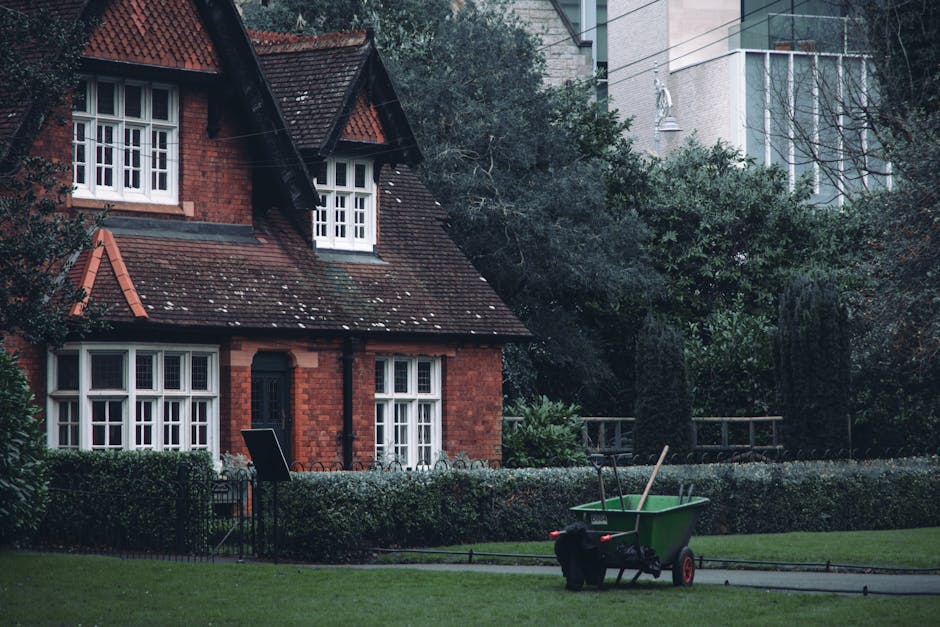
Gardening Services in Tufnell Park

Gardening services in Tufnell Park should feel practical, tidy and suited to the space in hand. We help with regular garden maintenance, one-off clearances, hedge trimming, lawn mowing, tree lopping and removal, decking services, and broader landscape gardening where a garden needs a clearer plan. The aim is straightforward: keep outdoor areas usable, improve presentation and make planned changes in a sensible order.
Because gardens vary so much in size, condition and access, our work is shaped around the job rather than a rigid package. Some customers want routine upkeep to keep growth under control; others need heavier work to recover a neglected plot before smaller details can be addressed. We can also combine tasks so that pruning, cutting, clearing and finishing work all support the same result.
For a clearer idea of what can be included, see the services overview or go straight to a specific area of work when you already know what your garden needs. If you would like to talk through a project and request a quotation, use the contact details on the site and send a brief outline of the work required.
Regular Garden Maintenance
Regular maintenance keeps gardens manageable without waiting for problems to build up. It often includes grass cutting, border tidying, trimming back soft growth and removing light debris so the space stays neat between larger seasonal tasks. For many homes, the value of maintenance is consistency: beds stay defined, paths remain clear and plants are kept in a shape that suits the layout rather than crowding it.
We can adapt maintenance work to match the way a garden is used. Some outside spaces need careful attention around seating areas, while others are mainly functional and benefit from a tidy, low-fuss finish. Where a garden has mixed planting, paths and lawn areas, the work can be planned so that each part is treated appropriately instead of being cut back in the same way. That helps preserve useful structure while keeping the whole area ordered.
When you are comparing options, it is worth thinking about whether the garden needs one-off attention or repeat visits over time. Routine care is usually best for gardens that grow quickly or are used often, while occasional maintenance may suit spaces with slower growth or lower footfall. A simple description of the current condition is usually enough to start the conversation and request a quotation.
Hedge Trimming and Lawn Mowing

Hedge trimming and lawn mowing are two of the most visible parts of garden care, and they often set the tone for the rest of the plot. A clean hedge line can make boundaries look sharper, while a well-cut lawn helps the whole garden feel looked after. These jobs are also practical: they stop overgrowth from spreading, keep access points usable and make it easier to carry out other planting or clearance work afterwards.
Hedges are best trimmed with their shape, species and position in mind. Some need light, regular attention to stay dense and even; others tolerate more substantial reduction when they have been left too long. Lawn mowing can be kept simple for level areas, but it may also involve edging, collecting cuttings and dealing with awkward corners around trees, beds or paving. We work carefully so the finish looks deliberate rather than rushed.
Useful options in this type of work include:
- Seasonal hedge shaping to keep growth controlled
- Routine mowing for front and back gardens
- Edging to sharpen borders and paths
- Cutting back growth that is affecting light or access
Garden Clearance and Waste Removal

Garden clearance is useful when a space has become cluttered with cuttings, dead growth, fallen branches or general outdoor waste. It can be the first step before maintenance, landscaping or planting work because it removes what is in the way and reveals the real condition of the plot. Depending on the site, clearance might involve bramble reduction, removal of overgrown sections, or collecting mixed green waste after other gardening tasks have been completed.
Clearance work is most effective when it is handled methodically. Heavy growth may need to be reduced first so that access improves before smaller material is gathered and loaded. If there are different waste types to separate, that can be organised as part of the job so the final result is neat and the work area is left in a usable state. This is especially helpful where the garden contains both soft growth and heavier cut material.
Garden clearance is often a sensible starting point when a garden has been left untouched for some time. If you are unsure how much work is needed, a brief description of the main problem areas is usually enough to begin. For a quotation, provide the type of space, the general level of overgrowth and whether there are any difficult access points.
Tree Lopping and Removal
Tree lopping and removal call for careful judgement because trees affect light, structure and the look of the whole garden. In some cases, the right approach is selective pruning to reduce spread, remove awkward growth or keep branches away from fences and buildings. In others, a tree may need to be removed where it is unsafe, dead, too restrictive or simply no longer suitable for the space available.
The right choice depends on the tree itself and the surrounding garden. A smaller ornamental tree may need different handling from a mature specimen with a broad canopy or a congested root area. We focus on clear, controlled work that supports the rest of the site rather than leaving the garden with an unbalanced finish. Where a tree affects a lawn, border or access route, the work can be planned alongside other garden tasks so the whole area settles into a better shape.
If a tree is interfering with a hedge, a deck, a path or a lawn, it may be worth planning the work together rather than in isolation. That makes it easier to complete the garden in the right sequence and avoids revisiting the same area. You can read more about tree lopping and removal before asking us to price the work.
Decking Services and Outdoor Structure Work

Decking services are useful where a garden needs a more defined sitting or walking area. Decking can provide a level surface, separate practical zones and create a tidy transition between the house and the rest of the plot. Depending on the condition of the site, the work may involve building new decking, replacing worn sections or adapting existing timber features so they continue to sit neatly within the garden.
Because decking sits close to planting, borders and hard surfaces, the finish matters. Boards need to be laid with care, edges should look deliberate and the structure should suit the rest of the outdoor layout. In a smaller garden, a compact deck may help organise a usable corner. In a larger garden, decking can be part of a wider landscaping plan that also includes paths, beds or lawn adjustments. The key is to treat it as part of the whole space, not as a separate item.
Decking services can be discussed alongside other garden improvements if you are planning more than one change. A quotation is easier to prepare when you can explain the size of the area, the condition of any existing structure and whether the deck is part of a broader redesign or a single repair or replacement job.
About Tufnell Park
Tufnell Park is a district in north London, associated with the London Boroughs of Islington and Camden and centred around the area that developed along the road from Holloway toward Highgate. The name is often used for the neighbourhood around Tufnell Park Road and the station, but it also refers more broadly to the surrounding residential streets that spread across the borough boundary. The district’s built character is shaped by late Victorian and Edwardian housing, with terraces, converted houses and mansion blocks giving the streets a consistent urban feel. Much of the area sits close to larger open spaces and important transport routes, which has helped it remain a recognisable part of inner north London rather than simply a through-route between other districts.
The area is known for its mixture of quiet residential streets and well-used nearby landmarks. Tufnell Park station sits on the Northern line, making the neighbourhood a familiar stopping point for commuters and visitors heading towards central London or further north. Close by, Dartmouth Park, Kentish Town and Holloway add to the sense of an interconnected part of the city with overlapping local identities. Residential architecture here is often noted for its bay windows, decorative brickwork and varied rooflines, while tree-lined streets and small front gardens soften the urban setting. Although compact, the district has a strong everyday rhythm shaped by local shopping parades, schools and community life. It is this combination of transport access, layered history and largely residential character that gives Tufnell Park its distinct place within north London.
Landscape Gardening for Larger Changes
Landscape gardening is the part of the work that looks beyond maintenance and into how a garden is arranged. It may involve reshaping planting areas, improving circulation between different parts of the garden, or creating a layout that makes the site easier to use. Good landscape work takes account of proportions, movement and the balance between soft planting and harder features, so the finished result feels settled rather than crowded.
Some gardens only need one or two changes to feel improved. In others, the layout itself is the main issue, and the work becomes a matter of simplifying what is already there. That can mean deciding which areas should be open, where structure is needed and how to create a clearer relationship between lawn, borders, paths and seating. We can approach these changes in stages where necessary, so the plan remains workable and the result stays coherent.
When a garden has been underused for a long time, it may help to begin with a simple priority list. Start with access, then structure, then planting detail is often an efficient way to think about it. That approach keeps the work focused and avoids adding decorative elements before the basic shape is right.
Pricing, Scope and Quotation Details

Pricing and quotes depend on the kind of work, the size of the area, how accessible the garden is and whether waste removal or multiple tasks are included. A straightforward mowing visit is usually different from a larger clearance or a combined project involving hedges, trees and landscaping. Rather than guessing at a figure, it is better to price the actual scope so the quotation reflects the job properly.
When preparing a quotation, a clear summary helps. Useful details include the type of garden, the main tasks you want done, whether any areas are difficult to reach, and whether the job is a one-off or part of a longer plan. Photographs can help where the work is complex, but a written description is also useful. If there are specific features such as decking, mature hedges or large amounts of green waste, it is sensible to mention them early so the quotation covers the likely tasks.
For the next step, you can contact us here and request a quotation for the work you need. If you already know the main service, saying so clearly helps us respond with a more relevant outline. If not, a short note about the garden’s condition is still a good starting point, and we can help identify the most suitable type of work.
Planning, Access and the Practical Finish
Good garden work is often about sequence as much as technique. If a site needs several tasks, it may make sense to clear first, cut back growth second and then complete finer trimming or shaping once the space is open. That order reduces repeated handling and makes it easier to leave the garden looking finished rather than half-managed. It also helps when a project combines green work with structural changes such as decking or broader landscaping.
Access is another practical factor. Some gardens are easy to reach from the front or side, while others require materials to be moved through narrow paths or shared entrances. That does not stop the work, but it does shape how it is organised. Where access is tight, careful planning can reduce disruption and make the job smoother. If you have items that need shifting before the main work begins, mention them when requesting a quotation so they can be taken into account.
It is also worth considering the final use of the garden. A space intended for quiet sitting benefits from a tidy, balanced finish, while a family garden may need durable surfaces and clear circulation. Useful outcomes are usually the result of small decisions made in the right order, not from adding more work than the site needs. About us provides further background if you want to explore the site before making contact.
Why Different Garden Tasks Are Often Combined
Combining garden tasks can save time and create a better overall result because each job supports the next one. For example, hedge trimming can open up borders for maintenance, while a clearance can reveal where a lawn needs attention or where a deck would sit more naturally. In a garden with several problem areas, dealing with them together often produces a more coherent finish than treating each one in isolation.
We therefore think about the garden as a connected space rather than a set of unrelated jobs. That means a lawn, hedge, tree and pathway are considered together when it helps the outcome, but separated when a more careful approach is needed. Some plots only need a single service, and others benefit from a broader plan that combines maintenance with improvement work. Either way, the work should leave the garden clearer, more usable and easier to look after.
If you are unsure where to begin, a short request describing the main issue is enough. You do not need to prepare a full plan before reaching out. A clear starting point helps us judge whether the work is best tackled as maintenance, clearance, tree work or a more ambitious landscaping project. If you are ready, request a quotation and we can take it from there.