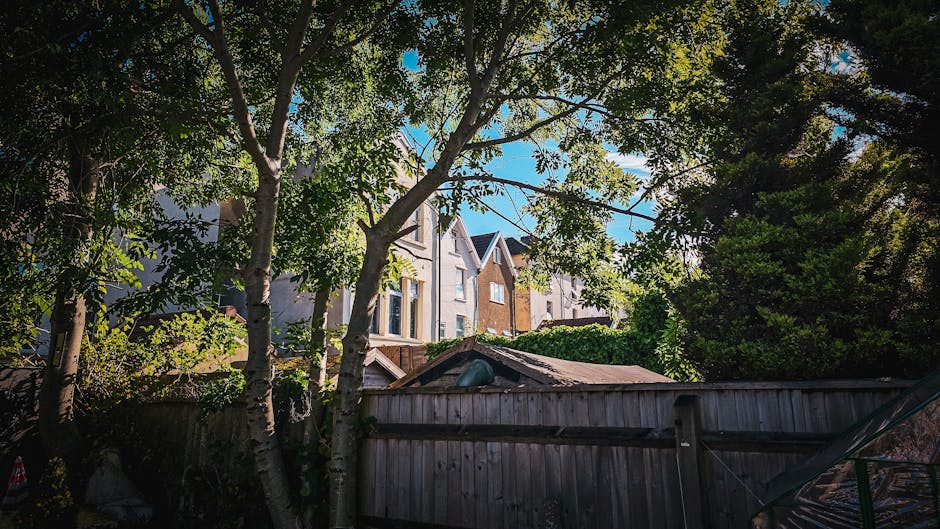
Gardeners for Tufnell Park Village N19: Practical, Reliable Help for a Garden That Feels Looked After
If you are searching for Gardeners for Tufnell Park Village N19, you are probably after more than a quick tidy-up. You want a garden that looks cared for, feels usable, and does not become one of those jobs that quietly grows legs. In a place like Tufnell Park Village, where outdoor space can be compact, shaded, sloped, or just plain busy, good gardening support can make a real difference. The right approach keeps things manageable through the seasons, protects planting from avoidable damage, and gives you back time. And yes, it can stop that nagging feeling every time you glance out the window and think, "I really should sort that."
This guide breaks down what local gardening services usually cover, how the process works, what to expect, and how to choose sensible support for your home or property. It also covers practical checks, common mistakes, and a few expert tips that often get missed. If you are comparing options, you will find this useful. If you are just trying to understand what a gardener can actually do for you, even better.
Why Gardeners for Tufnell Park Village N19 Matters
At first glance, garden work can seem simple: mow, trim, clear, tidy. But anyone who has actually maintained a London garden knows it is rarely that neat. Weather swings, limited access, mature shrubs, fallen leaves, neighbour boundaries, and busy schedules all shape what needs doing and when. In a neighbourhood like Tufnell Park Village, gardens often need a practical rhythm rather than a one-off hero effort.
The real value of professional gardening lies in consistency. A lawn that is cut at the right time stays healthier. Hedging that is trimmed before it turns wild is easier to shape. Beds that are cleared and mulched properly do not turn into a breeding ground for weeds quite so fast. It sounds obvious, but the difference between occasional panic and steady care is enormous. Truth be told, most garden problems start small and then become annoying.
There is also a property value angle, though it is not just about appearances. A well-kept outdoor space feels more inviting, more usable, and less stressful to manage. That matters whether you are a homeowner, landlord, tenant with permission to maintain a shared space, or someone preparing a property for sale or rental. If the garden is visible from the street or rear access, people notice sooner than you think.
For many local households, the issue is not a lack of interest. It is time, tools, or know-how. That is where a dependable gardener becomes less of a luxury and more of a practical support service. If you want broader service context as well, the services overview is a useful place to see how different garden tasks fit together.
How Gardeners for Tufnell Park Village N19 Works
Most gardening services begin with a simple assessment of what the garden needs right now, what needs attention soon, and what can be scheduled later. That may sound basic, but it is where the better work starts. A good gardener does not just turn up and cut everything down to the same height. They look at plant health, seasonality, access, waste volume, and the shape of the space.
Typical work may include lawn mowing, hedge trimming, border weeding, pruning, leaf clearance, planting, turf care, soil improvement, and light landscaping. Some gardens also need seasonal reset work after winter or before summer entertaining. Others need recurring maintenance so they never reach the "this is a bit of a disaster" stage. Both approaches can work; it depends on the garden and how you use it.
In practice, the process usually follows a sensible pattern:
- Initial look at the garden and discussion of priorities.
- Agreeing what is urgent, what is routine, and what can wait.
- Work carried out using the right tools for the space.
- Waste collected, bagged, and removed or prepared for disposal.
- Any follow-up advice given for watering, feeding, or next visit timing.
For bigger transformations or more structured outdoor improvements, gardeners may work alongside landscaping specialists. If that is where your project is heading, a look at landscape gardening support can help you understand the difference between routine care and design-led changes. For resurfacing, structures, or layout changes, landscaping services are often the more relevant route.
The better outcomes usually come from planning, not rushing. I know, not the most thrilling answer. But gardens do respond well to a steady hand.
Key Benefits and Practical Advantages
Good gardening support gives you more than a neat finish. It helps your outdoor space work properly. That can mean different things to different people, but the benefits tend to cluster around a few common themes.
- Better presentation: Neat edges, tidy beds, and healthy growth make a strong first impression.
- Less long-term damage: Regular care reduces the risk of plant stress, pest issues, and overgrowth.
- More usable space: Paths, seating areas, and lawns become easier to enjoy when they are maintained.
- Reduced workload: Small, regular jobs are easier than one overwhelming clearance later.
- Seasonal resilience: Gardens handled with the seasons in mind usually recover better from weather shifts.
There is also a mental benefit people do not talk about enough. Looking out at a tidy garden changes the feel of a home. It is calmer. Less cluttered. A bit more breathable, even from inside. On a grey London morning, that matters more than you might expect.
For many homes, recurring garden maintenance offers the best blend of consistency and convenience. If the lawn is the main issue, lawn mowing services can keep the grass at a healthy length without turning cutting day into a half-week event. If the boundary line is getting out of hand, hedge trimming may be the job that changes the whole feel of the plot.
And for the gardens that have just got away from you a bit, maybe after a season of neglect or a move, garden clearance can give you a clean starting point again. That reset is often more valuable than people realise.
Who This Is For and When It Makes Sense
Not every garden needs the same level of support. Some people want a monthly tidy. Others need a one-off recovery job. Some need a full redesign path. The important bit is matching the service to the actual problem, not just the nearest keyword.
This kind of gardening support makes sense if you are:
- a homeowner who wants reliable upkeep without losing weekends to pruning and sweeping;
- a landlord or agent keeping an exterior presentable between tenancies;
- an older resident who wants help with heavier or repetitive tasks;
- a busy family trying to keep a practical outdoor space usable;
- someone preparing for a sale, rental, event, or seasonal refresh;
- a property owner dealing with overgrowth, awkward access, or a garden that is simply too much to tackle alone.
It also makes sense if you have a garden that is structurally fine but visually tired. You know the kind of place: a little patchy, a little weedy, a hedge that leans in one direction like it has opinions. That does not mean you need a complete redesign. Sometimes you just need the right combination of care and timing.
For more specialist work involving branches, height, safety, or tree condition, it is better to look at tree lopping and removal rather than trying to manage it as a standard tidy-up. Trees are where "DIY might be fine" can quickly become "probably not, actually."
Step-by-Step Guidance
If you are trying to organise garden work sensibly, keep it simple. The best results usually come from clarity, not overcomplication. Here is a practical process that works well for many Tufnell Park Village gardens.
- Walk the space first. Note the worst areas, the most used areas, and any hazards or access issues.
- Separate urgent from routine. For example, storm debris and blocked paths come before general shaping.
- Think in zones. Lawn, beds, hedges, hard surfaces, trees, and waste removal often need different handling.
- Choose the right service mix. A garden may need mowing plus clearance, or maintenance plus hedge work.
- Set a realistic schedule. Monthly, seasonal, or one-off visits all have their place.
- Review the finish. A tidy garden should also be practical, safe, and easy to maintain afterwards.
A small but useful detail: ask what happens to the waste. Some jobs produce a few bags. Others produce a frankly ridiculous amount. If there is a hedge cut, a clearance, or a pruning session involved, waste handling matters. It affects timing, cost, and whether the garden feels truly finished.
If you want to understand pricing structure before committing, the pricing and quotes page is useful for seeing how estimates and service scope are approached. That can save a lot of awkward guessing.
One more thing. If you are unsure whether to start with a major clearance or a gentler maintenance plan, ask for the least disruptive option first. Sometimes a staged approach is smarter than a full day of heavy work. Your back, and your garden, may thank you.
Expert Tips for Better Results
In our experience, the gardens that stay in good shape are not always the ones with the most expensive planting or the fanciest setup. They are the ones managed with a few quiet habits. Nothing dramatic. Just sensible, repeated care.
- Trim before things get awkward. A hedge that is cut little and often is easier to shape than one that has gone feral. Harsh, but true.
- Do not scalp lawns. Cutting too short can stress grass, especially in dry spells or shade.
- Let the season lead. Spring, summer, autumn, and winter each call for different priorities.
- Leave breathing room around plants. Crowded beds trap moisture and invite trouble.
- Use the right waste handling approach. Compostable material, green waste, and mixed debris are not the same thing.
- Keep an eye on access routes. Narrow side passages, shared entrances, and basement steps change the job plan more than people expect.
Here is a simple truth: if you are always reacting, the garden will always feel like work. If you plan ahead just a bit, it starts behaving. Not perfectly. Gardens are not that polite. But better.
For projects where planting, layout, surfaces, and structure matter together, it helps to think beyond mowing and trimming. Landscape gardening can bring the whole space into balance, especially where small design changes make a big difference. A seating corner, a more defined path, or a smarter border line can do a surprising amount of heavy lifting.
Expert summary: The best garden results usually come from regular maintenance, timely intervention, and realistic expectations. Start with the worst areas, protect the healthy parts, and build from there.
Common Mistakes to Avoid
Plenty of garden jobs go wrong for completely understandable reasons. People are busy. Weather shifts. Tools are missing. Things get left until Sunday evening and then, well, the enthusiasm vanishes. Still, a few mistakes come up again and again.
- Leaving hedge trimming too late: Once growth gets dense, cutting it back can expose bare patches or weak structure.
- Over-clearing beds: Removing too much too fast can strip protection from roots and soil.
- Ignoring access and disposal: A garden might look straightforward until bags, branches, and tools have to leave through a narrow passage.
- Trying to solve a structural issue as routine maintenance: Slopes, retaining edges, broken timber, and drainage problems are different jobs.
- Chasing a quick visual fix: A tidy finish matters, but so does what happens two weeks later.
One little trap is assuming all garden work is interchangeable. It is not. Lawn care, hedge management, clearance, and landscaping each require different judgement. That sounds obvious, but the wrong approach can waste time and money very quickly.
If a space has become heavily cluttered with cuttings, old pots, broken items, or seasonal debris, a dedicated garden clearance approach is usually better than asking for general maintenance and hoping for the best. Hope is nice. A plan is nicer.
Tools, Resources and Recommendations
You do not need a shed full of specialist kit to keep a garden in decent condition, but the right tools make a huge difference. Even for small urban gardens, poor tools can make the work messy, slow, and oddly exhausting.
| Task | Useful tools | What good practice looks like |
|---|---|---|
| Lawn care | Mower, edging tool, rake | Clean cut, even finish, grass not cut too low |
| Hedge work | Hedge trimmer, secateurs, gloves | Gradual shaping, clear sight lines, safe access |
| Clearance | Heavy-duty bags, rake, wheelbarrow | Sort waste efficiently and remove debris properly |
| Pruning | Pruners, loppers, saw | Cut cleanly and avoid damaging stems |
| Design work | Measuring tools, spade, levels | Plan before digging or changing surfaces |
For safety-conscious work, especially where heights, heavy waste, or sharp tools are involved, it is worth checking whether the provider has clear working practices and insurance. The site's insurance and safety information is helpful if you want peace of mind before booking. Likewise, the health and safety policy gives a better sense of how care is handled on-site.
If sustainability matters to you, you may also want to ask how green waste is separated and whether reusable or recyclable materials are handled properly. The recycling and sustainability page is a sensible reference point for that side of the service.
And because nobody loves payment surprises, it is fair to review the payment and security information before agreeing a job. Small detail, big comfort.
Law, Compliance, Standards, or Best Practice
Garden work is not usually the most heavily regulated part of home care, but that does not mean standards do not matter. In the UK, responsible gardening services are expected to work safely, handle waste appropriately, and respect property boundaries, access arrangements, and customer instructions. For more complex jobs, especially those involving trees, height, or machinery, safe working methods become much more important.
If a gardener is trimming hedges near paths or shared entrances, using tools around fragile glazing, or removing branches, they should think carefully about risk control. That includes protecting people nearby, keeping the site tidy, and not leaving hazards behind. Common-sense stuff, yes, but it is the sort of common sense that saves headaches.
There are also practical expectations around honest quoting, clear scope, and fair communication. If a job changes once work begins, that should be explained rather than quietly tacked on. Likewise, if access is difficult or disposal will be more involved than expected, that should be clear before work starts.
For customers, the best practice is simple:
- describe the garden accurately;
- mention access constraints up front;
- say whether waste removal is needed;
- confirm whether you want routine maintenance or a one-off reset;
- ask how a provider handles safety, insurance, and complaints.
If you want more context on service standards and how a provider organises itself, the about us page can help build a clearer picture of the business behind the work. And if something ever goes wrong, it is reassuring to know there is a complaints procedure in place. Nobody plans to use that. Still, it matters.
Options, Methods, or Comparison Table
Choosing the right type of help depends on the condition of the garden and what you want from it. Some people need regular upkeep. Others need a more intensive reset. A few want a landscaping project that changes the layout completely. Here is a simple comparison to make that easier.
| Option | Best for | Typical outcome | Watch out for |
|---|---|---|---|
| Routine maintenance | Gardens already in decent shape | Consistent appearance and easier upkeep | Skipping visits for too long can undo progress |
| Garden clearance | Overgrown or cluttered spaces | A clean starting point | Can be heavier, messier, and more time-consuming |
| Hedge trimming / lawn mowing | Fast visual improvement | Sharper edges, neater structure | Needs repeating at sensible intervals |
| Landscape gardening | Changing the feel or function of a garden | More usable and better organised space | Requires planning and clear priorities |
| Decking services | Creating a stable outdoor area for seating or circulation | Improved usability and structure | Best considered alongside drainage and access |
For many households, the simplest route is a mix of maintenance and occasional specialist support. That way, the garden stays under control without becoming a constant project. If decking is part of the plan, the decking services page is worth reviewing because hard surfaces and planting need to work together, not fight each other.
Case Study or Real-World Example
Picture a small rear garden in Tufnell Park Village after a wet spring and a very busy few months. The lawn is patchy and long in places. A hedge has pushed into the path. The beds have a mix of healthy shrubs, weeds, and a few things nobody can confidently identify. Not a catastrophe. Just a bit much.
The sensible response is not to rip everything out. First comes clearance of dead material and obvious debris. Then the hedge is brought back to a manageable line, the lawn is cut properly rather than hacked down, and the beds are cleaned around the plants worth keeping. After that, the owner can decide whether they want simple maintenance going forward or a more ambitious refresh.
That kind of staged approach usually gives the best result. It is calmer, cheaper to manage in steps, and far less likely to leave the space looking stripped bare. You still get progress. Just not the chaotic kind.
In a real-world setting, this also helps with confidence. Once the garden looks intentional again, people start using it again. A chair comes out. A pot gets planted. Someone waters the rosemary because it suddenly feels worth it. Little things, but they add up.
Practical Checklist
Use this checklist before booking or planning garden work. It keeps the conversation focused and saves time later.
- Identify the main priority: maintenance, clearance, hedge work, lawn care, or landscaping.
- Check access points, side passages, gates, and parking considerations.
- List any fragile plants, features, or surfaces to protect.
- Decide whether waste removal is needed.
- Note any urgent safety issues, such as low branches or slippery paths.
- Confirm whether you want a one-off visit or ongoing support.
- Ask how the garden will look after the work and what follow-up care is recommended.
- Review pricing, payment, and safety information before agreeing the job.
- Keep a few photos of the garden before work starts, just in case you want to track progress.
- Set a reminder for the next seasonal check. Future-you will be grateful, honestly.
Conclusion
Gardeners for Tufnell Park Village N19 are not just about keeping things neat. They help you protect your outdoor space, reduce stress, and make the most of the area you already have. Whether you need regular upkeep, a one-off clearance, sharper hedge lines, or a bigger layout improvement, the right service can turn a frustrating patch of ground into something useful again.
The best results usually come from clear communication, sensible scheduling, and choosing the right type of help for the job. Start with the real problem, not the most dramatic one. That is often where the real savings are, both in time and effort.
If you are comparing options, reviewing service scope, safety, and pricing now can save a lot of awkwardness later. And if your garden has been quietly asking for attention for a while, this might be the moment to answer it.
Get a free quote today and see how much you can save.
Frequently Asked Questions
What do Gardeners for Tufnell Park Village N19 usually include?
They often include lawn mowing, hedge trimming, weeding, pruning, seasonal tidy-ups, garden clearance, and general maintenance. Some providers also help with landscaping and decking-related projects.
How often should a garden in Tufnell Park Village be maintained?
It depends on the garden. Many spaces benefit from fortnightly or monthly attention in the growing season, while others only need seasonal visits. The more planting and lawn area you have, the more regular care tends to help.
Is a one-off garden clearance worth it?
Yes, especially if the space has become overgrown or cluttered. A one-off clearance can create a clean starting point and make future maintenance much easier.
What is the difference between garden maintenance and landscaping?
Garden maintenance keeps an existing garden tidy and healthy. Landscaping changes the structure, layout, or features of the space. If you want to reshape how the garden works, landscaping is the better fit.
Do I need hedge trimming separately from general gardening?
Often, yes. Hedges can need more specific attention than general garden upkeep, especially if they are tall, dense, or close to boundaries. A dedicated hedge trim can produce a better finish.
How do I know whether I need lawn mowing or a full lawn repair?
If the grass is simply overgrown, mowing may be enough. If it is patchy, mossy, bare in places, or poorly draining, a more detailed lawn treatment may be needed. A good gardener should be able to explain the difference.
What should I ask before booking a gardener?
Ask what is included, how waste will be handled, whether the work is one-off or recurring, what access is needed, and how pricing is structured. A clear quote is always better than a vague one.
Are gardeners responsible for removing all waste?
Not automatically. Some services include waste removal, while others only bag and stack it for disposal. Always check this in advance so there are no surprises on the day.
Is it safe to ask for tree work as part of garden maintenance?
Small pruning may be fine, but larger tree work is different. Anything involving height, thick branches, or potential safety risks is better handled through a dedicated tree service rather than standard maintenance.
How can I keep costs under control?
Be clear about priorities, split large jobs into stages if needed, and choose the right service type from the start. It also helps to keep the garden on a regular maintenance schedule rather than waiting for it to become a bigger job.
What if my garden is awkward to access?
Tell the gardener before the visit. Narrow passages, shared entrances, stairs, and limited parking can all affect timing and waste removal. Honest access details lead to better planning.
Where can I learn more about service standards and policies?
You can review the provider's policies on safety, insurance, payments, and sustainability to get a better feel for how they work. That kind of detail matters more than people sometimes realise.