Common problems with garden access for Tufnell Park gardeners
If you have ever stood at the back of a terrace with a wheelbarrow that is too wide, a gate that sticks, and a path that seems to shrink every time it rains, you already know the issue. Common problems with garden access for Tufnell Park gardeners are not just minor inconveniences; they shape how safely, quickly, and neatly any garden job can be done. In Tufnell Park, where many homes have compact plots, narrow side returns, shared passages, or awkward rear access, the route into the garden can be just as important as the work itself. This guide breaks down what usually goes wrong, why it matters, and how to plan around it without drama.
We will look at practical access barriers, the knock-on effects for maintenance and landscaping, the best ways to prepare, and the small decisions that make a big difference on the day. If you are trying to judge whether a task is straightforward or likely to be a bit of a faff, you are in the right place.
Why Common problems with garden access for Tufnell Park gardeners Matters
Garden access sounds simple until you try to get bags of soil, hedge cuttings, a mower, or a large clearance load through a cramped route. Then every inch matters. In Tufnell Park, access often determines whether a job can be completed efficiently, whether specialist equipment can be used, and whether the work is likely to stay tidy from start to finish.
For gardeners, poor access can mean more manual carrying, slower progress, and a higher chance of scuffed walls, damaged planting, or crushed borders. For homeowners, it can mean longer visits, extra labour, and a result that feels more disruptive than it should. To be fair, a lovely garden can still be a headache if you cannot reach it properly.
There is also a planning side to this. If the route into the garden is tight, the team may need lighter tools, smaller loads, more careful scheduling, or a different method altogether. That affects not only efficiency but also which services make sense. A simple lawn cut is one thing. A full garden clearance service is another story entirely.
Expert summary: garden access is not just a logistics issue. It affects safety, time on site, equipment choice, waste handling, and the overall quality of the finish. If access is difficult, the smartest approach is usually to plan the route before any work begins.
How Common problems with garden access for Tufnell Park gardeners Works
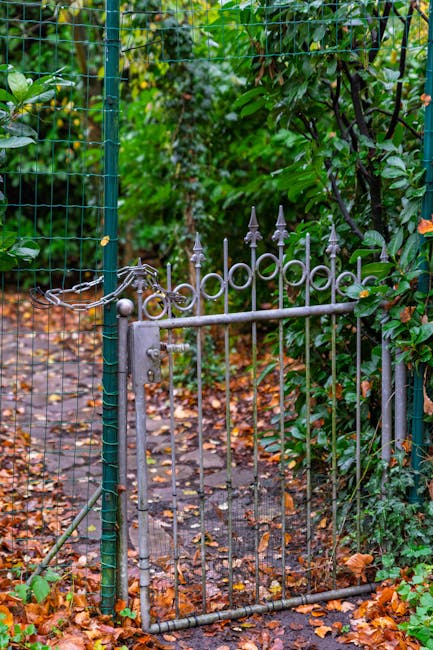
Garden access issues show up in a few predictable ways. Sometimes the garden itself is fine, but the path to it is cramped. Sometimes there is a gate, but it opens only halfway because of brickwork, bins, or a steep step. Other times the trouble is not the garden at all, but the shared hallway, a narrow side passage, or a rear alley that is awkward to use with tools and debris.
Here is how these problems usually affect a typical job:
- Access is measured first. The team looks at gate width, passage width, turning space, steps, surface condition, and any fixed obstacles.
- Tools are matched to the route. A compact mower, hand tools, or smaller bags may be used instead of bulkier gear.
- Work is sequenced differently. Cuttings may be collected in stages, and waste may be moved out more often to keep routes clear.
- Protective measures are added. This can include extra care around walls, paving, and internal routes if equipment must pass through communal space.
- Time and labour increase. That does not always mean the job is unmanageable, just that it needs a realistic approach.
In practice, access problems often come down to one of three things: width, weight, or wayfinding. Width is obvious. Weight is the issue when a load is too heavy to move comfortably through the route. Wayfinding is the sneaky one: the route may exist, but it involves tight corners, low steps, or a sequence of doors and gates that slows everything down. A bit like trying to carry a sofa through a flat that was clearly designed by someone who never had a sofa.
If the access route is poor, services such as lawn mowing, hedge trimming, or even routine garden maintenance may still be possible, but the setup needs more care. Bigger jobs like landscaping often need a more detailed site plan.
Key Benefits and Practical Advantages
It may sound odd to talk about benefits when the topic is basically a problem, but planning access properly brings a lot of upside. The main one is that the job becomes calmer. Less guesswork, fewer delays, fewer surprises. And everyone breathes easier, which is always nice when a garden is hidden behind three gates and a steep step.
- Safer working: Clear access reduces the chance of trips, strains, and awkward lifting.
- Cleaner results: Fewer unnecessary crossings through the property means less mess tracked about.
- Faster completion: A well-planned route cuts down wasted time.
- Better equipment choice: The right tools can be selected for the space instead of forcing unsuitable gear into it.
- More accurate quotes: Access details help make estimates realistic from the outset.
There is a commercial side too. When the access route is known early, a gardener can suggest the most sensible method rather than overpromising. That is especially important for bigger jobs such as landscape gardening or structural work through landscaping, where poor access can become the main constraint, not the planting design itself.
Key takeaway: good access planning is not only about convenience. It protects the property, improves the outcome, and makes the whole project feel much less stressful.
Who This Is For and When It Makes Sense
This topic matters to anyone with a back garden that is not easy to reach. That includes owners of terraced houses, maisonettes, basement flats with garden exits, and properties with shared passages or awkward rear lanes. In Tufnell Park, that is a fair number of homes, and the same issues tend to repeat from one address to the next.
You may need to think hard about access if:
- your gate is narrower than a standard garden trolley;
- there are steps, slopes, or uneven paving between the front and rear of the property;
- you share access with neighbours and need to keep routes clear;
- your garden only opens through the house or a communal hallway;
- you are booking clearance, tree work, or a heavy landscaping job;
- you want to avoid disruption during busy weekday times.
It also makes sense for landlords, letting agents, and homeowners preparing a property for sale or new tenants. Access problems are often easiest to solve before a job starts, not halfway through. Truth be told, that is when most of the frustration appears.
If a garden has overgrown edges, difficult access can magnify the issue. A job that looks like a quick tidy-up can suddenly need tree lopping and removal, careful cut-back, or a staged approach to opening up the route first. Small access issue, big ripple effect.
Step-by-Step Guidance
If you are trying to improve access or prepare for a visit, a simple process works best. No grand theory, just sensible steps.
- Walk the full route. Start at the street and follow the exact path to the garden. Notice gates, locks, steps, slopes, narrow turns, low branches, and anything that swings open into the way.
- Measure the pinch points. You do not need a surveyor's kit. A tape measure and a quick note of the tightest widths are usually enough to tell whether standard tools will fit.
- Check surfaces and movement. Wet paving, loose slabs, broken edging, and muddy ground can make access harder than the dimensions alone suggest.
- Clear the route. Move bins, bikes, hose reels, toys, and plant pots out of the way. One forgotten wheelbarrow can cause an irritating bottleneck.
- Think about waste flow. If cuttings or rubble need to come back out through the same route, plan where bags will be staged so the passage stays usable.
- Flag shared access early. If a neighbour or another resident uses the same route, agree on timing and keep communication polite and clear.
- Share photos if needed. A few honest pictures of gates, routes, and garden entrances are often more useful than a long description.
- Match the task to the access. If access is limited, smaller loads, lighter tools, or phased work may be better than trying to do everything in one go.
A real-world example: a garden might look straightforward from the back window, but the only route out involves a narrow side passage with a tight 90-degree turn. In that case, bulk clearance bags may need to be carried in smaller numbers, and long-handled tools may be swapped for compact alternatives. Not ideal, but manageable. Usually.
Expert Tips for Better Results
From an operator's point of view, access work is mostly about reducing friction. The fewer unnecessary movements, the better the result. Here are some tips that make a real difference.
- Plan for the heaviest item first. If a mower, stump grinder, or large waste load cannot pass through, the rest of the plan should be built around that constraint.
- Use staging points. A temporary holding area close to the exit keeps the route clear and avoids repeated back-and-forth.
- Keep gates and locks simple. Time is lost more often by fiddly doors and seized catches than by width alone.
- Trim access vegetation early. Overhanging branches and trailing climbers can make a narrow passage feel even tighter.
- Work top-down when possible. Clearing the upper growth first helps prevent the route being blocked by cuttings later.
One small but useful habit: always check how the gate opens, not just how wide it is. A gate that swings inward against a slope or a bin store can be far less usable than the measurements suggest. It sounds obvious once said. In the moment, though, it is easy to miss.
If you are arranging specialist work, it is sensible to review the service scope with the access route in mind. For example, services overview pages are useful for seeing how different jobs fit together, while pricing and quotes guidance can help you understand why access affects estimates. The clearer the brief, the smoother the day tends to go.
Common Mistakes to Avoid
Most access problems are not disastrous on their own. They become painful when people assume they will sort themselves out. They rarely do.
- Ignoring the route until the crew arrives. This is the classic mistake. It leads to awkward delays and rushed decisions.
- Measuring only the gate. The gate matters, but so do corners, steps, door widths, and turning space.
- Leaving storage items in place. Wheelie bins, crates, and furniture can shrink the route by half without anyone noticing.
- Assuming all tools fit. A big mower or wide barrow may be fine in one garden and completely impractical in the next.
- Not thinking about waste removal. Getting into the garden is one thing; getting material back out is often the harder bit.
- Forgetting neighbours and shared areas. Poor communication in a communal access route can create friction very quickly.
Another common slip is booking a job based only on the garden size. Size matters, yes, but access often matters more. A tiny garden with excellent access can be simpler than a medium garden hidden behind a winding route and a very stubborn latch.
Tools, Resources and Recommendations
You do not need specialist surveying equipment to assess garden access sensibly. Most homeowners can do a useful first check with a few basic items.
- Tape measure: for widths, step heights, and awkward turning spaces.
- Phone camera: for honest photos of gates, paths, and obstacles.
- Notebook or notes app: to record the tightest points and any access rules.
- Gloves and sturdy footwear: if you are moving items or checking a muddy route.
- String or chalk: sometimes helpful for marking the usable width of a passage.
Useful preparation also includes checking whether the task could be paired with wider work. For example, if access is blocked by overgrowth, a bit of hedge trimming may open the route enough to make the rest of the job easier. If there is a large amount of material to remove, a focused garden clearance plan is often better than trying to chip away at it in small, messy stages.
For heavier or more technical jobs, ask whether the team expects to use compact machines, hand-carry methods, or a two-person lift. It is not about being difficult. It is about being realistic. That's really all it is.
Law, Compliance, Standards, or Best Practice
Access issues touch on safety, property care, and neighbourly conduct. While every job is different, a few UK best-practice principles are worth keeping in mind.
Health and safety: Safe movement of tools, waste, and machinery matters on any site. If a route is tight or slippery, working methods should be adjusted rather than forced. Good planning reduces the chance of trips, strains, and accidental damage.
Shared or communal access: If the route passes through shared areas, courtesy and communication are essential. Keeping passages unobstructed and agreeing access times in advance avoids unnecessary conflict.
Property protection: Careful handling is expected where tools or loads pass near walls, doors, glazed panels, or planted edges. Protective coverings or more compact methods may be appropriate when the route is especially tight.
Insurance and working practice: It is sensible to use a provider that treats access risks seriously and works within a clear safety framework. If you want reassurance on how a business approaches this, pages like health and safety policy and insurance and safety can help set expectations before work begins.
Accessibility awareness: Some gardens are difficult to reach because the property layout itself creates barriers. That does not make the work impossible, but it does mean the approach should be adapted with care. For broader information on how a business thinks about access, an accessibility statement can be a useful reference point.
The main rule is simple: if access makes the job riskier, the method should change. Not the other way around.
Options, Methods, or Comparison Table
Different access situations call for different solutions. Here is a straightforward comparison of common approaches.
| Method | Best for | Pros | Limitations |
|---|---|---|---|
| Standard equipment through main access | Wide gates and open routes | Fast, efficient, familiar | Not suitable for tight or complex routes |
| Compact tools and smaller loads | Narrow passages, small gardens | Flexible, safer in tight spaces | Can take longer and require more manual handling |
| Phased work with staging points | Cluttered or shared access routes | Controls mess and improves flow | Needs good organisation and more time |
| Access-first clearance | Overgrown routes or blocked entries | Makes the rest of the job possible | May feel like a separate task before the main work |
| Structural or layout changes | Repeated access problems | Long-term improvement | More planning, cost, and disruption |
For some homes, the best option is not to fight the route at all. A small adjustment to the garden layout, such as a clearer path or better storage arrangement, can save endless hassle later. If the issue keeps coming back, there may be a design solution hiding in plain sight.
Case Study or Real-World Example
Here is a realistic example. A homeowner in a terraced property wanted routine maintenance after a period of holiday neglect. From the street, the job sounded straightforward. But the rear access was through a narrow side passage with a step, a tight corner, and a gate that only opened fully if a planter was moved first. Nothing dramatic. Just enough to slow things down.
On inspection, the access plan changed. Smaller bags were used for cuttings, the route was cleared before work started, and the heaviest items were kept near the exit as they were created. The task still took longer than a simple front-to-back job, but it stayed tidy and manageable. More importantly, no one was trying to squeeze a wide tool through a space that clearly did not want it there.
That sort of adjustment is common in Tufnell Park. The garden itself is rarely the real problem. It is the route to it, the shape of the property, and the small obstacles that add up. Once the access is handled properly, the rest usually feels much easier.
Practical Checklist
Use this quick checklist before any garden job with awkward access:
- Measure the gate, passage, and narrowest corner.
- Check how doors and gates open, not just their width.
- Remove bins, bikes, toys, pots, and storage items from the route.
- Look for steps, slopes, broken paving, and muddy spots.
- Take a few clear photos of the access route.
- Confirm whether the route is shared with neighbours or other residents.
- Think about where waste will be staged and removed.
- Match the task to the access conditions, especially for heavy jobs.
- Ask about compact tools or phased working if needed.
- Keep the route clear before, during, and after the work.
If you can tick most of those off, you are already ahead of the game. If not, no panic. A bit of prep goes a long way, and it usually pays for itself in time saved.
Conclusion
The common problems with garden access for Tufnell Park gardeners are usually practical, not mysterious. Narrow gates, awkward steps, shared routes, tight corners, and blocked passages all make simple jobs more complicated than they first appear. But with a little planning, the right equipment, and a realistic approach to the route itself, most access issues can be handled calmly and safely.
If you remember one thing, make it this: assess the journey into the garden before you assess the garden work itself. That one habit saves a lot of stress later, and frankly, it keeps the whole day more human and less chaotic.
Get a free quote today and see how much you can save.
And if your access route is a bit awkward, that is fine. It happens more often than people think. With the right preparation, even a fiddly space can become workable, and that can be a relief in itself.
Frequently Asked Questions
What are the most common garden access problems in Tufnell Park?
The usual issues are narrow gates, tight side passages, shared entrances, steps, uneven paving, and routes blocked by bins or stored items. In older London properties, those things tend to stack up quickly.
Can gardening work still be done if the access is very narrow?
Usually, yes. The method may need to change, though. Smaller tools, lighter loads, and staged movement through the garden are often the answer. Sometimes a task needs to be split into parts rather than done all at once.
Does poor access make garden jobs more expensive?
It can, because difficult access often means more manual handling, more time on site, or different equipment. That said, every quote should be judged on the actual route and workload, not just the garden size.
Should I measure the gate before booking a gardener?
Yes, that is a smart move. Measure the narrowest point, check how the gate opens, and note any steps or corners. A few honest measurements can prevent a lot of guesswork.
What should I do before a gardener arrives?
Clear the access route, move obstacles, unlock gates, and take a quick look for anything slippery or broken. If the access is shared, let neighbours know the timing if that is relevant.
How do gardeners handle waste removal with poor access?
They may use smaller bags, more frequent clear-outs, or staged collection points. In some cases, the waste plan matters more than the cutting plan, especially after heavy pruning or clearance work.
Is access more important than the size of the garden?
Often, yes. A small garden with straightforward access can be much easier than a medium-sized space behind a narrow, awkward route. Access shapes the whole job.
What kind of jobs are most affected by access issues?
Garden clearance, landscaping, hedge work, tree work, and heavy maintenance jobs are the most affected. Light routine tasks can still be tricky if the route is cramped, but bigger jobs feel the pinch first.
Can access problems affect the safety of the work?
Definitely. Tight or slippery routes increase the chance of trips, strains, and accidental bumps to walls or fittings. That is why good planning and the right tools matter so much.
What if I live in a shared property or flat with communal access?
Then communication matters as much as the physical route. Make sure access arrangements are clear, keep shared areas tidy, and let anyone affected know what is happening. Small courtesies go a long way.
Do I need to improve the access permanently?
Not always. Sometimes a simple tidy-up, better storage layout, or minor trim is enough. But if access problems keep returning, a longer-term improvement may save time and effort over the months ahead.
Where can I learn more about the services that help with access-related garden work?
It helps to review a provider's services overview and look at practical service pages such as garden maintenance, garden clearance, and landscaping to see which approach fits the route and the job.