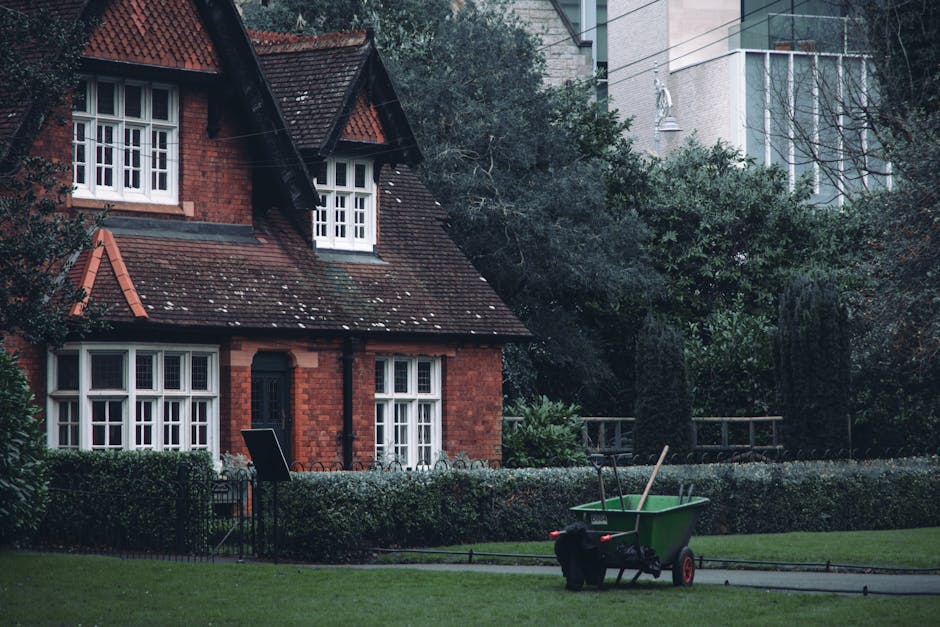
Commercial gardeners for Fortess Road shops Tufnell Park
If you run a shop on Fortess Road, you already know that the outside of the premises speaks before the door opens. A clean frontage, tidy planters, healthy shrubs and seasonal colour can make the whole place feel more inviting. That is where commercial gardeners for Fortess Road shops Tufnell Park come in. They help keep planting presentable, manageable and on-brand, without turning your day into another maintenance headache.
This guide is for shop owners, leaseholders, managers and anyone responsible for a commercial frontage in Tufnell Park. We will look at what commercial gardening actually involves, why it matters for local shops, how the service works, what to ask for, and the common mistakes that can quietly undermine a good first impression. A lot of this is practical, plain-English stuff. No fluff, promise.
There is a simple truth here: customers notice the small things. A straggly planter by the window, dead bedding left too long, wet leaves on a pavement edge, or a hedge that blocks visibility can all change how a place feels. The good news is that regular commercial garden care is one of the easier ways to lift a shopfront without major disruption.
Table of Contents
- Why Commercial gardeners for Fortess Road shops Tufnell Park Matters
- How Commercial gardeners for Fortess Road shops Tufnell Park Works
- Key Benefits and Practical Advantages
- Who This Is For and When It Makes Sense
- Step-by-Step Guidance
- Expert Tips for Better Results
- Common Mistakes to Avoid
- Tools, Resources and Recommendations
- Law, Compliance, Standards, or Best Practice
- Options, Methods, or Comparison Table
- Case Study or Real-World Example
- Practical Checklist
- Conclusion
- Frequently Asked Questions
Why Commercial gardeners for Fortess Road shops Tufnell Park Matters
On a busy high street or a mixed retail strip like Fortess Road, garden care is not just about appearance. It influences footfall, safety, and how trustworthy your business looks from the pavement. A tidy exterior can suggest attention to detail inside, which matters whether you are running a cafe, convenience shop, salon, independent retailer or small service business.
Shopfront planting also works harder than domestic planting. It has to cope with foot traffic, pollution, limited root space, wind tunnels between buildings, bins being moved, and occasional neglect when life gets busy. In other words, it needs a different kind of care. Not more dramatic care, just more considered care.
Commercial gardeners understand those pressures. They can keep planting schemes looking fresh while also managing practical issues like access, waste removal, water supply, and the simple fact that you cannot always close the business for half a day just because a border needs attention. That local, flexible approach is often the difference between something that looks nice for a week and something that stays presentable all year.
There is also a brand side to this. If your shop uses greenery deliberately, it can soften signage, make window displays feel warmer, and help customers linger a little longer at the edge of the premises. That sounds small. It is not small, though. A neat front space is a silent piece of marketing.
Expert summary: Good commercial garden maintenance for shopfronts is not about overdoing it. It is about consistency, tidy edges, healthy plants, and a frontage that works with the business rather than distracting from it.
How Commercial gardeners for Fortess Road shops Tufnell Park Works
Most commercial gardening services begin with a site visit or a brief review of the premises. The gardener looks at the condition of the planting, how much sun or shade the area gets, how people move past the frontage, and what level of maintenance is realistic for the business. That first look matters because one shop may need weekly refreshes while another only needs seasonal support and occasional tidy-ups.
For shopfronts, the work often includes planting replacement, pruning, deadheading, weeding, leaf clearance, watering, container maintenance and general presentation. If there are planters by the doorway or boundary shrubs along the pavement edge, they may also advise on layout, plant choice and how to reduce the chance of mess. A lot of commercial work is about prevention. Less damage, less clutter, fewer surprises.
The service can be arranged as one-off work, scheduled maintenance, or a seasonal programme. In practice, regular visits tend to work best for shops because the frontage stays predictable. And predictable is good. Nobody likes walking past their own premises and thinking, oh, that needs sorting again.
Depending on the site, the gardener may coordinate around opening hours, deliveries, peak trading times, and access constraints. That is especially helpful on busy London streets where you do not want half the pavement occupied by tools and plant waste at lunchtime. A professional approach is usually quiet, efficient and tidy. Nothing theatrical. Just steady work done properly.
Key Benefits and Practical Advantages
The biggest benefit is straightforward: a better-looking shopfront. But there is more to it than that. Regular commercial planting care supports the whole customer experience, and it can reduce avoidable maintenance problems before they get expensive or embarrassing. That is the real win.
- Improved first impressions: Customers and passers-by see a cared-for frontage, which can make the business feel more established.
- Better plant health: Regular pruning, feeding and watering help plants survive the realities of a London shop environment.
- Less clutter and mess: A tidy exterior means fewer leaves, weeds and overgrown areas around the entrance.
- Safer access: Clear pathways and well-managed planters reduce trip hazards and obstruction risks.
- More consistent branding: Greenery can reinforce the character of the shop, especially for hospitality, lifestyle and independent retail businesses.
- Lower long-term stress: You are not scrambling for emergency fixes every time the front starts to look tired.
There is also a quiet operational benefit: time saved. Let's face it, most shop operators have enough to do already. Stock, staff, suppliers, customers, seasonal changes, weather, invoices... the list keeps going. Having a commercial gardener handle the outside space takes one more thing off your plate.
For businesses that care about sustainability, it can also help to adopt more durable planting choices, sensible watering routines and greener waste handling. If that matters to your business values, it is worth discussing early. You can also explore the approach to materials and waste through the company's recycling and sustainability guidance.
Who This Is For and When It Makes Sense
Commercial garden support is relevant for more than just florists or cafes. Any shop with an exterior planting area, frontage beds, planters, pots, wall planters or a small landscaped edge can benefit. In Tufnell Park, that often includes independents, corner shops, food businesses, and premises that want to look inviting without becoming high-maintenance.
This service makes particular sense if:
- your shopfront is visible from the pavement and you want it to look sharper;
- you use containers or planted displays that dry out quickly;
- your business has staff, but no one has time to manage the outside space properly;
- you have recurring issues with weeds, dead plants or patchy seasonal colour;
- your frontage is part of your brand and needs to stay on-message;
- you want maintenance to be routine rather than reactive.
It is also useful if the premises are leased and you need to keep the exterior in good order without carrying out major alterations. In that case, small improvements can go a long way. A few healthy containers, a clean edge and well-kept foliage can make a narrow pavement frontage feel more polished than a bigger but neglected display.
One practical note: if your business has customer seating outdoors or a display that sits close to the entrance, the gardening plan needs to work around movement, cleaning, delivery access and daily opening routines. That is not a problem, but it does need thought. A site that looks great on paper can feel awkward in real life if the layout is wrong.
Step-by-Step Guidance
If you are considering commercial gardeners for a Fortess Road shop, the process is usually simpler than people expect. The key is to be clear about what you want and how much upkeep you can realistically support. Here is a practical way to approach it.
- Assess the frontage honestly. Look at what is there now: pots, beds, hedges, climbing plants, weeds, empty containers, broken irrigation, overgrown corners. Be a bit ruthless here.
- Define the purpose. Do you want colour, privacy, low maintenance, better branding, or just a cleaner look? Different goals need different planting choices.
- Check access and timing. Note opening hours, deliveries, neighbours, and where tools or waste can be moved without blocking customers.
- Ask for a maintenance plan. A good plan should say what happens weekly, monthly, and seasonally, not just "general gardening".
- Choose plants that suit the site. Shade, wind, drought and pavement heat all matter. Fancy plants that hate London street conditions tend to disappoint. Quickly.
- Set expectations for housekeeping. Ask how clippings, soil, deadheads and green waste will be handled and when the area will be left tidy.
- Review regularly. After the first few visits, check whether the frontage still suits the business. Small tweaks are normal.
If you want a broader overview of what can be included in ongoing maintenance, the services overview is a useful place to start. It helps you see how shopfront gardening fits into the wider set of outdoor care options.
Expert Tips for Better Results
Here is where a little experience saves a lot of effort. The best commercial frontage displays are rarely the fanciest. They are the most dependable. A few well-chosen plants that stay healthy will usually beat a crowded, high-drama display that needs constant rescue.
Tip 1: Keep the planting scheme simple. Two or three strong plant types, repeated well, often looks cleaner than a mixed bag of impulse buys. Simplicity also makes maintenance easier.
Tip 2: Choose containers that match the site. Heavy enough not to tip, attractive enough to suit the business, and practical enough for watering. Sounds obvious, but you would be surprised.
Tip 3: Think in seasons. A frontage that looks great in spring may feel thin by late summer if nobody plans ahead. Commercial gardeners can build rotation into the schedule so the display does not sag.
Tip 4: Use tidy edges and consistent heights. These little details give a sense of order. Humans notice order more than we admit.
Tip 5: Build in a realistic watering method. If the shop relies on staff to water but everyone is busy, the plants will show it. Either keep the scheme drought-tolerant or arrange proper maintenance.
Tip 6: Don't hide problems behind plants. Broken containers, cracked paving and poor drainage will still need dealing with. Planting should improve the space, not cover up neglect.
One more thing: do not chase constant novelty. Some shop owners keep changing the look because they want something "fresh", but stability often works better. A frontage that evolves gently tends to feel more confident than one that keeps reinventing itself every few weeks.
Common Mistakes to Avoid
Commercial gardening mistakes tend to be boring on the surface and annoying in practice. The kind of things people only notice once the frontage has gone downhill. Here are the big ones.
- Choosing plants for looks alone: Pretty on day one is not enough. The site conditions matter more than the catalogue photo.
- Ignoring maintenance frequency: A display can look great and still fail if it is not visited often enough.
- Overcrowding the frontage: Too many pots or shrubs can make a shop look cramped and reduce safe access.
- Leaving watering to chance: Dry containers are one of the quickest ways to make a business look tired.
- Not planning for waste removal: Clippings, soil and plant replacements need to go somewhere, and preferably not into the corner behind the bins.
- Forgetting seasonal change: What works in May may not work in November.
- Using no maintenance agreement at all: Without agreed routines, jobs get missed. Then everything gets a bit patchy.
Another common issue is underestimating how visible the frontage is. On a quiet day you may think, "it looks fine enough." Then Friday arrives, the street is busier, and suddenly the same frontage feels scruffy. Outdoor presentation has a way of revealing itself at the worst possible moment. Funny like that.
Tools, Resources and Recommendations
For a shopfront in Tufnell Park, the most useful tools are the ones that support consistency. Commercial gardeners typically rely on professional pruning tools, watering equipment, container feeds, soil improvers and basic hand tools, but from a business owner's point of view the real tools are the systems behind the work.
Useful things to ask about include:
- scheduled visits rather than ad hoc callouts;
- plant replacement planning for damaged or seasonal stock;
- clear waste handling and tidying routines;
- maintenance notes or a simple record of work carried out;
- safe access arrangements for busy trading hours;
- options that support lower-waste gardening practices.
If you are weighing up costs and service levels, the pricing and quotes page can help you think about how the work might be structured. For many businesses, the biggest value is not in chasing the cheapest visit, but in choosing a service that keeps the frontage stable over time.
It is also sensible to choose a provider whose working practices are clear and transparent. If you want to know more about the people behind the service, take a look at about us for background on the company approach and standards.
Law, Compliance, Standards, or Best Practice
For commercial premises, garden care is partly about presentation and partly about responsible site management. You do not need to turn it into a legal maze, but a few best-practice points are worth keeping in mind.
First, shopfront work should not create avoidable trip hazards, blocked entrances or unsafe conditions for customers, staff or pedestrians. That means tools should be managed carefully, surfaces should be left tidy, and any temporary obstruction should be kept to the minimum necessary. If a site has narrow access, it needs sensible planning. No one benefits from a beautifully pruned planter if the pavement is left awkward to navigate.
Second, if a business handles contractor access, it is sensible to work with providers who can explain how they approach safety and insurance. That is not overcautious. It is normal due diligence. You can review the company's approach through the insurance and safety information and the health and safety policy.
Third, sustainable practice is increasingly part of everyday expectation, even when it is not the main reason for hiring a gardener. Using healthier planting, reducing waste, and choosing maintenance methods that last longer can all support a better standard of care. If that aligns with your values, it is worth asking how it is built into routine work.
Finally, keep contracts and service terms clear. If you are agreeing recurring maintenance, you should understand what is included, how changes are handled, and what happens if weather or access affects the visit. A clear service agreement prevents the awkward "I thought that was included" conversation later on. Nobody enjoys that one.
For supporting business policies and practical trust signals, it can also help to review the company's terms and conditions and payment and security information.
Options, Methods, or Comparison Table
Not every shop needs the same level of gardening support. The right choice depends on how visible the frontage is, how much planting you have, and how hands-on your team can realistically be. Here is a simple comparison to make that easier.
| Option | Best for | What it usually includes | Main drawback |
|---|---|---|---|
| One-off tidy-up | Premises that need an immediate refresh | Pruning, weeding, cleanup, plant reset, container refresh | Condition can slip again without follow-up |
| Seasonal maintenance | Shops with changing displays | Spring/summer/autumn updates, replanting, light pruning | Less control between visits |
| Regular scheduled care | Busy shops that want consistency | Routine watering, tidying, deadheading, checks and replacement | Requires ongoing budget commitment |
| Full frontage management | Businesses where exterior presentation is part of the brand | Planning, planting, maintenance, waste handling, seasonal rotation | Higher involvement and planning needed |
As a rule, the more customer-facing the frontage, the more sense regular care makes. If the plants are just "there", a lighter approach may be enough. If they are part of the shop identity, consistency becomes much more important. That is the line, really.
Case Study or Real-World Example
Imagine a small independent shop on Fortess Road with two window planters, a narrow entrance and a couple of tired shrubs by the front edge. The owners like greenery, but they never quite had the time to keep up with watering, deadheading and replacing weak plants. By mid-summer the planters were looking uneven, one shrub had outgrown its space, and the entrance felt a little neglected on close inspection.
A commercial gardening visit focused first on pruning and cleanup. That immediately made the frontage feel clearer. Then the plant mix was simplified to suit the light levels and the amount of time the team could actually give it. The display changed from "nice idea, needs work" to something steady and manageable. Not flashy. Just good.
After a few scheduled visits, the shop owners noticed fewer last-minute fixes, less mess outside the door, and a frontage that matched the care they already put into the inside of the business. That is often how it goes. The improvement is not always dramatic on day one. It compounds quietly. A bit like a well-run till float, only greener.
And if you have ever walked out at 8:30 on a damp London morning and seen the doorway still neat, clean and alive rather than drooping and messy, you know the feeling. It changes the mood before the first customer even arrives.
Practical Checklist
Use this checklist before booking commercial gardeners for a shopfront:
- Do we know what areas need care: planters, beds, shrubs, entrances, or all of them?
- Have we decided whether the goal is presentation, low maintenance, privacy, or all three?
- Are there access issues during opening hours or deliveries?
- Do we need a one-off refresh or regular maintenance?
- Have we checked whether current plants suit the light, wind and space available?
- Do we have a clear idea of how waste and clippings will be removed?
- Is there a sensible plan for watering between visits if needed?
- Have we reviewed insurance, safety and service terms?
- Do we want sustainability-minded options for replanting and waste handling?
- Do we know who to contact if the frontage needs urgent attention?
If you want to move forward with confidence, make sure the service is as clear about process as it is about gardening. That clarity saves time, and usually a bit of money too.
Conclusion
Commercial gardeners for Fortess Road shops Tufnell Park provide more than tidy planting. They help shops present themselves well, stay manageable, and avoid the slow drift into looking tired or overlooked. For a local business, that matters. A lot, actually.
The best results come from simple planning: choose the right level of maintenance, match plants to the site, agree on access and timing, and keep the work consistent. If you get those basics right, the frontage tends to look better, last longer and feel much easier to manage. No drama, no constant firefighting.
For many shop owners, the real value is peace of mind. You step outside in the morning and things just look sorted. And in a busy part of London, sorted is a very underrated feeling.
Get a free quote today and see how much you can save.
If you are ready to talk through your shopfront needs, the simplest next step is to use the contact page and explain what kind of frontage you are working with. A short conversation can save a surprising amount of guesswork.
Frequently Asked Questions
What do commercial gardeners for Fortess Road shops Tufnell Park actually do?
They maintain shopfront planting and exterior green spaces so they stay tidy, healthy and presentable. That can include pruning, weeding, watering, deadheading, plant replacement, seasonal refreshes and general frontage care.
How often should a shopfront be maintained?
It depends on the planting, the exposure to weather and how visible the frontage is. Many shops benefit from regular scheduled visits because it keeps the space consistent instead of allowing it to swing between neat and neglected.
Is commercial garden maintenance only for large shops?
No. Small independents often benefit the most because a modest frontage can make a big impression when it is kept in good condition. Even a couple of well-managed planters can change how the shop feels from the street.
Can commercial gardeners work around business opening hours?
Usually, yes. A professional service should be able to plan around deliveries, trading times and customer access. This is especially important on busy local streets where space is tight and timing matters.
What if my frontage only has a few planters?
That is still worth maintaining properly. Small displays dry out faster and can look tired quickly if left alone. A little consistent care goes a long way, especially in street-facing locations.
How do I know whether I need a one-off tidy-up or ongoing maintenance?
If the space is already in decent condition but just needs a reset, a one-off tidy-up may be enough. If the frontage needs regular watering, seasonal planting or repeat pruning, ongoing maintenance is usually the better choice.
Are there sustainability options for shopfront gardening?
Yes. Many businesses now prefer durable plant choices, sensible watering routines and less waste-heavy maintenance. If that matters to you, ask how green waste, replacements and replanting are handled. The recycling and sustainability page is a useful reference point.
Do commercial gardeners remove waste after the job?
They should, or at least clearly explain what happens to clippings, soil and removed plants. Leaving waste behind undermines the whole point of having the frontage maintained in the first place.
How much does commercial garden care cost?
Pricing depends on the size of the area, the frequency of visits, the condition of the planting and whether any replacement work is needed. For a clearer starting point, review the pricing and quotes information and request a tailored estimate.
What should I ask before hiring a commercial gardener?
Ask what is included, how often they visit, how they handle waste, whether they can work around your trading hours, and what their approach is to safety and insurance. Those practical details matter more than glossy promises.
Can a commercial gardener help make my shop look more welcoming?
Absolutely. Well-kept planting softens hard edges, improves the first impression and can make a shop feel warmer from the pavement. It is a small change that often has a bigger effect than people expect.
What if I need to speak to someone before booking?
You can use the contact us page to ask questions, explain your frontage and outline the kind of support you need. A quick chat is often the easiest way to see what makes sense.
For more background on the team and how they work, you can also visit about us and explore the wider service overview. If you are checking how personal information is handled, the privacy policy is available as well.